Beyond the Gym: A New Year Commitment to Spiritual Fitness
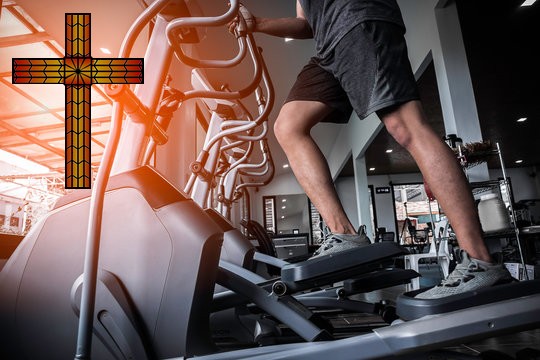 Every January, the advertisements appear with predictable enthusiasm. Health clubs promise transformation. Exercise equipment commercials feature before-and-after photos. Apps and programs insist that this is the year to become stronger, leaner, and healthier. These messages are not without value. Caring for the body is an important part of faithful living. Scripture reminds us that our bodies are gifts, entrusted to our care, deserving of attention and respect.
Yet the flood of New Year health club ads also reveals something deeper about the human heart. Beneath the desire for physical fitness lies a longing for renewal, purpose, and wholeness. People are not only seeking stronger muscles; they are seeking better lives, clearer direction, and hope that change is possible. This longing is ancient, and it is deeply spiritual. It points to a hunger that treadmills and protein shakes alone cannot satisfy.
Physical fitness matters, but it is not enough on its own. A strong body cannot by itself sustain joy, heal broken relationships, or anchor a soul during seasons of grief, anxiety, or uncertainty. Spiritual fitness—intentional practices that shape the heart, mind, and spirit—is just as essential for a healthy and faithful life. Without spiritual grounding, even our best efforts at self-improvement can become driven by comparison, guilt, or fear rather than gratitude and grace.
Spiritual fitness grows through habits practiced over time. Prayer, worship, Scripture reading, generosity, service, silence, and Christian community are not quick fixes or thirty-day challenges. They are disciplines that form patience, resilience, compassion, and trust. Like physical exercise, they require commitment and repetition. Progress is often quiet and unseen, and setbacks are part of the journey. Still, these practices strengthen faith in ways that endure long after motivation fades.
John Wesley spoke of holiness not as perfection, but as a life continually shaped by love—love of God and love of neighbor. That kind of love does not develop by accident. It is nurtured through spiritual practice and supported by community. When spiritual fitness is neglected, faith can become thin, reactive, or disconnected from daily life. When it is cultivated, faith becomes a steady source of wisdom and grace, guiding decisions and offering hope even when circumstances are difficult.
The New Year offers a meaningful opportunity to reflect on balance—between body and spirit, action and rest, effort and trust. Caring for physical health honors God’s creation. Caring for spiritual health opens the heart to God’s transforming work. These commitments belong together, each supporting the other in the journey toward wholeness.
As the calendar turns and resolutions are made, the church offers a deeper and more enduring invitation. Not a promise of instant results, but a call to ongoing formation. Not an advertisement built on pressure or shame, but an invitation rooted in grace, community, and God’s abiding presence.
May this year be one in which strength is measured not only by stamina and endurance, but also by faithfulness, compassion, and a growing awareness of God at work in everyday life.
 Call (574) 896-5927